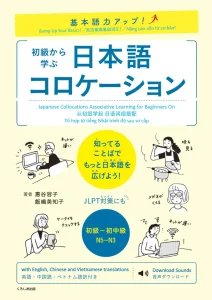
This book is aimed at learners from beginner to intermediate level, but honestly, it’s most helpful once you’re already into Genki 2 or beyond. There’s some English throughout, but you’ll get the most out of it by really focusing on the Japanese. That’s where you’ll start to see how small language choices can change the way what you’re saying feels.
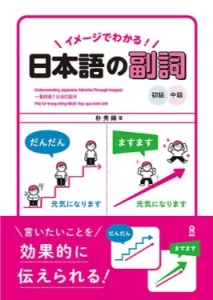
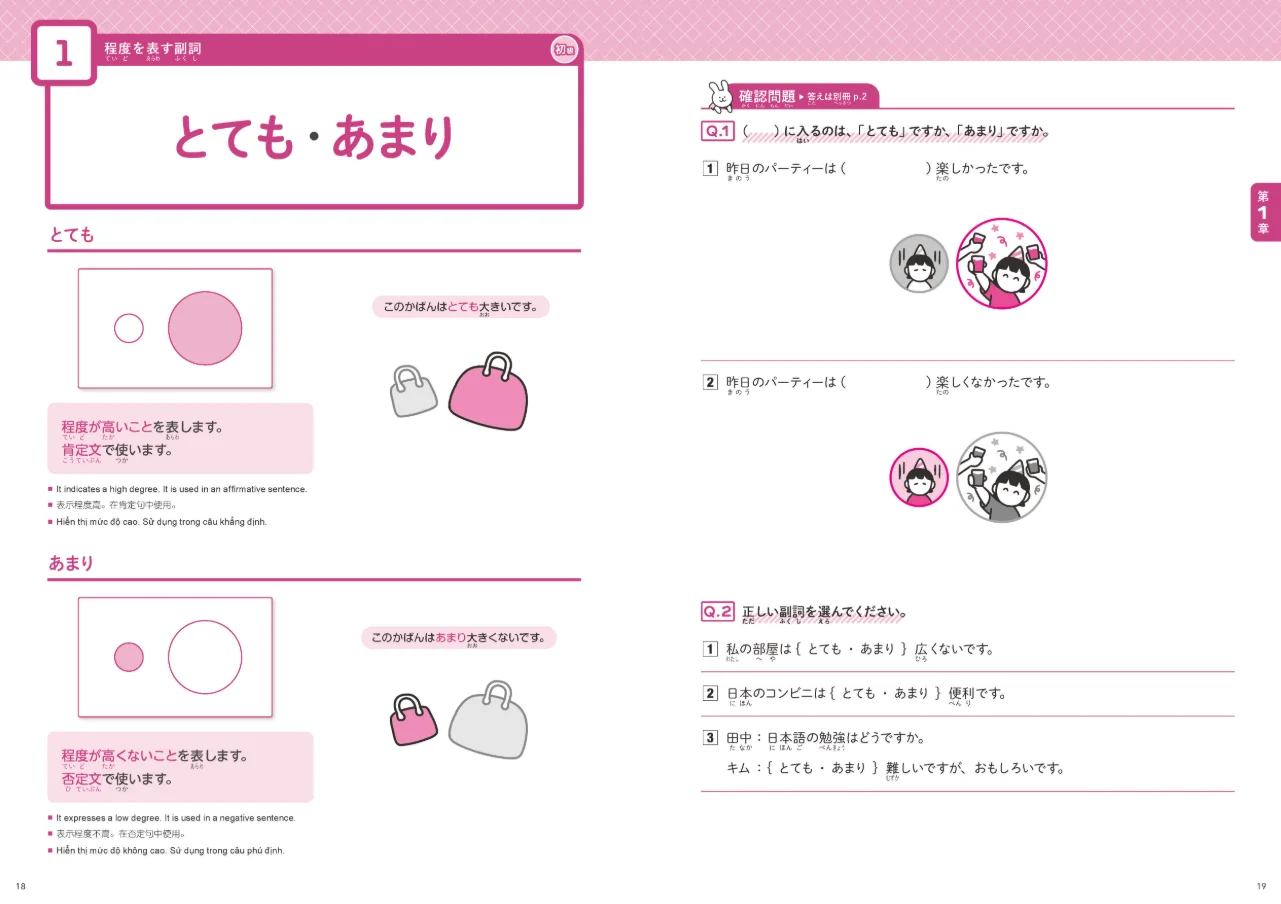
Most textbooks just toss adverbs at you as a list to memorize, without really showing how they work in real sentences or what kind of feeling they add. That’s what makes this book stand out as it focuses on nuance, using visuals to help you sense when and how each word works best.
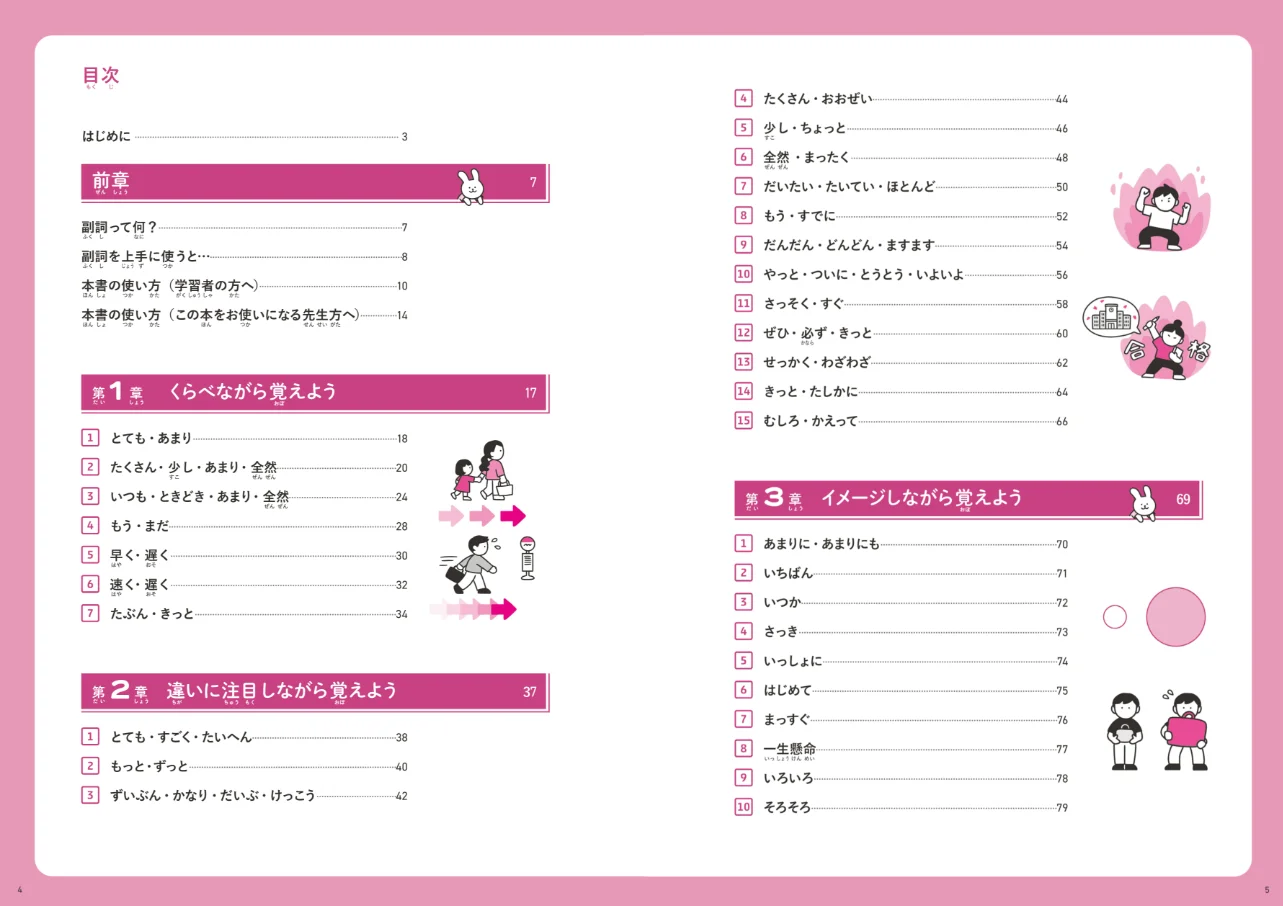
For example, when it compares words like ずいぶん, かなり, だいぶ, and けっこう, it shows how each one can describe something being larger than expected, such as being surprised by putting on a big t-shirt, but with slightly different shades of meaning. ずいぶん suggests surprise, while けっこう feels more like something just turning out differently from what you expected. These fine differences rarely get taught in ordinary textbooks, which makes this a really valuable resource.
Although it’s marketed as beginner-to-intermediate, what that really means is that it covers adverbs from those levels; not that the explanations themselves are always simple. Some sections, like those comparing different words for “finally” (やっと, ついに, とうとう, and いよいよ), have no English explanations at all.
The illustrations do a great job of showing each word’s emotional tone, but since some of the written descriptions are around the JLPT N3 level, you’ll get more out of it if you can read a bit of Japanese. As clear as the visuals are, it’s still possible to interpret them differently, so reading the Japanese helps you catch what the author really meant.